



Septic pit or treatment plant: which is right for your home?
Most homes in Lebanon that are not connected to a public sewer still use a septic pit. It is cheap to dig, but it does not treat anything. Here is what each system really does, and how to choose.
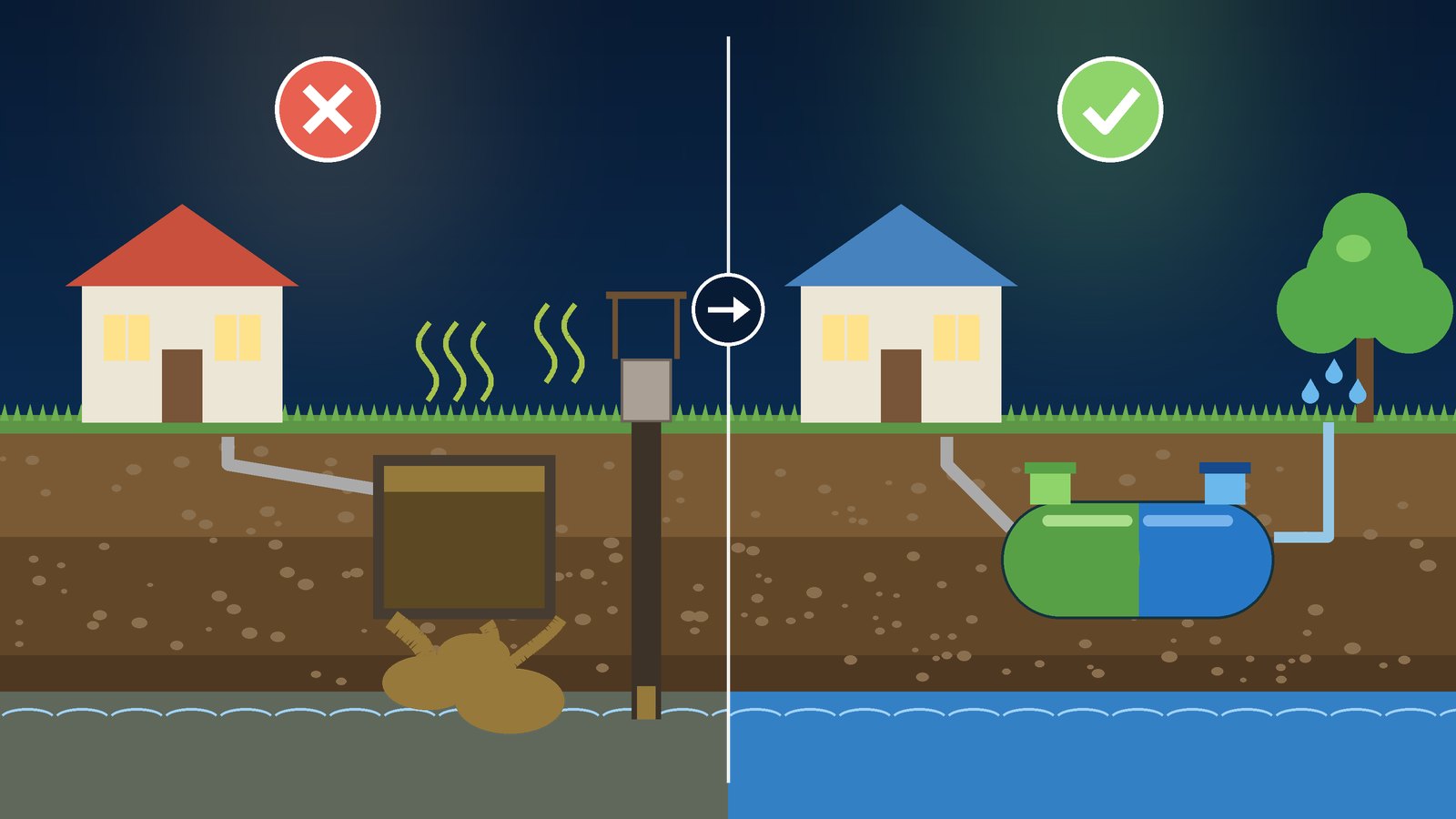
What a septic pit actually does
A septic pit (the traditional jorra) is a hole or concrete chamber that collects the wastewater from your toilets, kitchen and showers. Solids settle at the bottom and the liquid soaks into the surrounding ground, without any treatment.
That causes three problems that most owners know well:
- It fills up. In rocky or clay soil the liquid cannot soak away, so the pit fills and a tanker has to empty it again and again.
- It smells. Untreated sewage in an open or poorly sealed pit releases odours around the house and garden.
- It pollutes. What does soak away goes into the soil and can reach the groundwater, springs and wells that people drink from.
What a treatment plant does
A wastewater treatment plant is a sealed tank, divided into compartments, where bacteria break down the waste. Instead of storing sewage, it cleans it, and the treated water leaves the plant ready to be discharged or reused for irrigation.
Eco-Cycle makes two families of plants in fiberglass:
- ECP (anaerobic): treats wastewater biologically without aeration. A simple, low-energy choice for homes and small buildings.
- ECAP (aerobic): a blower adds air so the bacteria work faster and treat to a higher level. Suited to larger homes, buildings and commercial projects, and to reusing the water in your garden.
You can see both families, their compartments and treatment performance on our WWTP page.
Side by side
| Septic pit | Treatment plant | |
|---|---|---|
| Treatment | None, it only stores | Biological treatment |
| Groundwater and wells | Risk of contamination | Treated water leaves the plant |
| Smells | Common | Sealed tank, no smells when maintained |
| Emptying | Frequent tanker trips | Occasional sludge removal |
| Water reuse | No | Yes, for irrigation |
| Construction | Stone or concrete that can crack and leak | Corrosion-proof fiberglass |
Which one is right for you?
If your pit rarely fills, does not smell and is far from any well or spring, it may serve you for now. A treatment plant is the better choice if:
- you call a tanker several times a year, or the pit overflows in winter;
- there are smells around the house or garden;
- there is a well, spring or water source nearby;
- you are building a new home, building or chalet project;
- several apartments share the same pit;
- you want to water your garden with treated water.
What about cost?
Digging a pit costs less on day one than installing a plant. But every tanker trip is paid again and again, year after year, and a pit that leaks or overflows can damage your land and your neighbours' water. A plant is a one-time investment that ends those recurring costs. The size of your plant, and so its price, depends on how much wastewater your building produces: see how to calculate it.
Already have a plant that is not working?
Many plants in Lebanon smell or overflow because they were undersized or not maintained. We repair and renew plants of any brand: send us photos and an engineer will call you with the cause and the fix.
More guides

How much wastewater does a building produce?
The first question for any treatment plant is how much wastewater it has to treat each day. Here is how to estimate it for your house, building or project, with the design figures our engineers use.
Read the guide →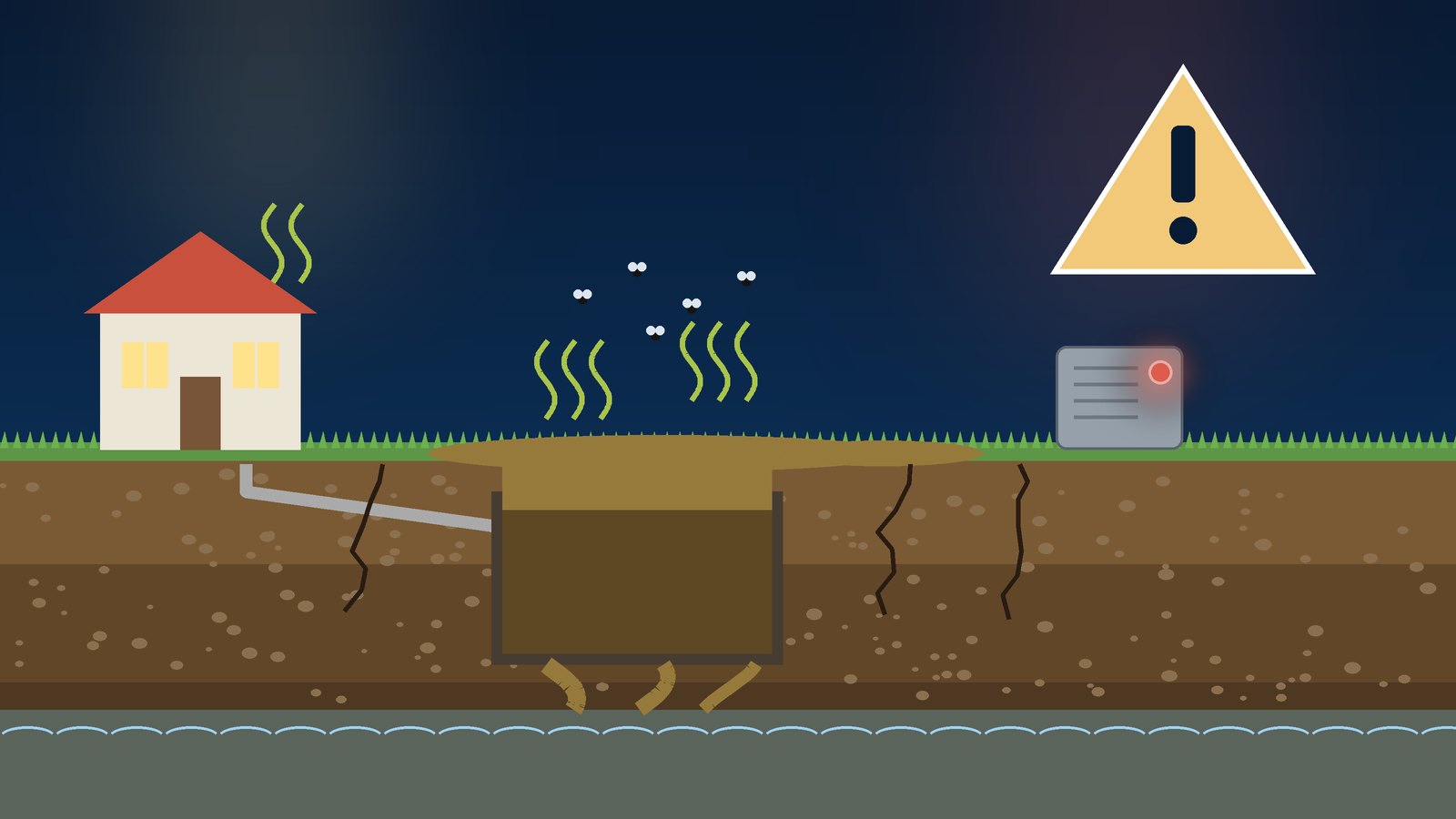
7 signs your septic pit or treatment plant is failing
A failing septic pit or treatment plant rarely stops all at once. It sends warning signs first. Catching them early saves money, protects your water and avoids an overflow in the middle of winter.
Read the guide →